APRN Intelligence Briefing
Vol. 2, Issue 008Sent to 4 subscribers

APRN Intelligence for November 1st to November 7th

Hey there! Pipeline infrastructure is evolving beyond the simple transportation of oil and gas. From digital technologies that improve pipeline integrity to investments in major cross-border networks and strategies for securing alternative export routes, this week's developments highlight the growing importance of reliable and resilient energy infrastructure. Let's get into it!

Monday, 9 November 20263 Stories

This Issue

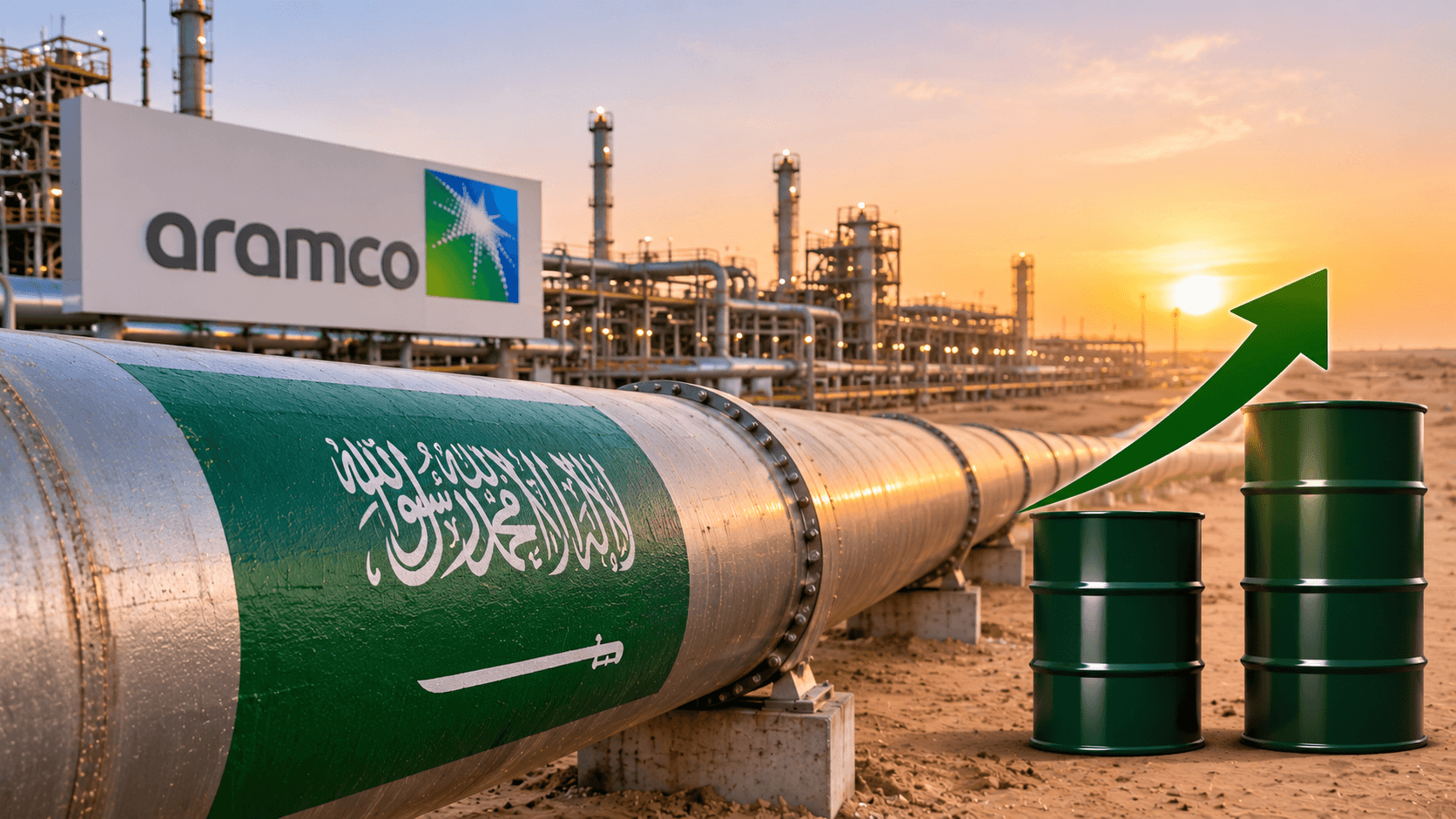
Saudi Arabia Explores Expansion of East-West Pipeline to Bypass Strait of Hormuz Crisis
Hormuz

Saudi Arabia Explores Expansion of East-West Pipeline to Bypass Strait of Hormuz Crisis

Saudi Aramco has commenced preliminary engineering work to expand its East-West Pipeline capacity from 7 million to 10 million barrels per day. The expansion is expected to strengthen Saudi Arabia's alternative oil export routes amid disruptions around the Strait of Hormuz.

Source
Nigeria Seeks Investors for $26 Billion Morocco Gas Pipeline Project
Finance

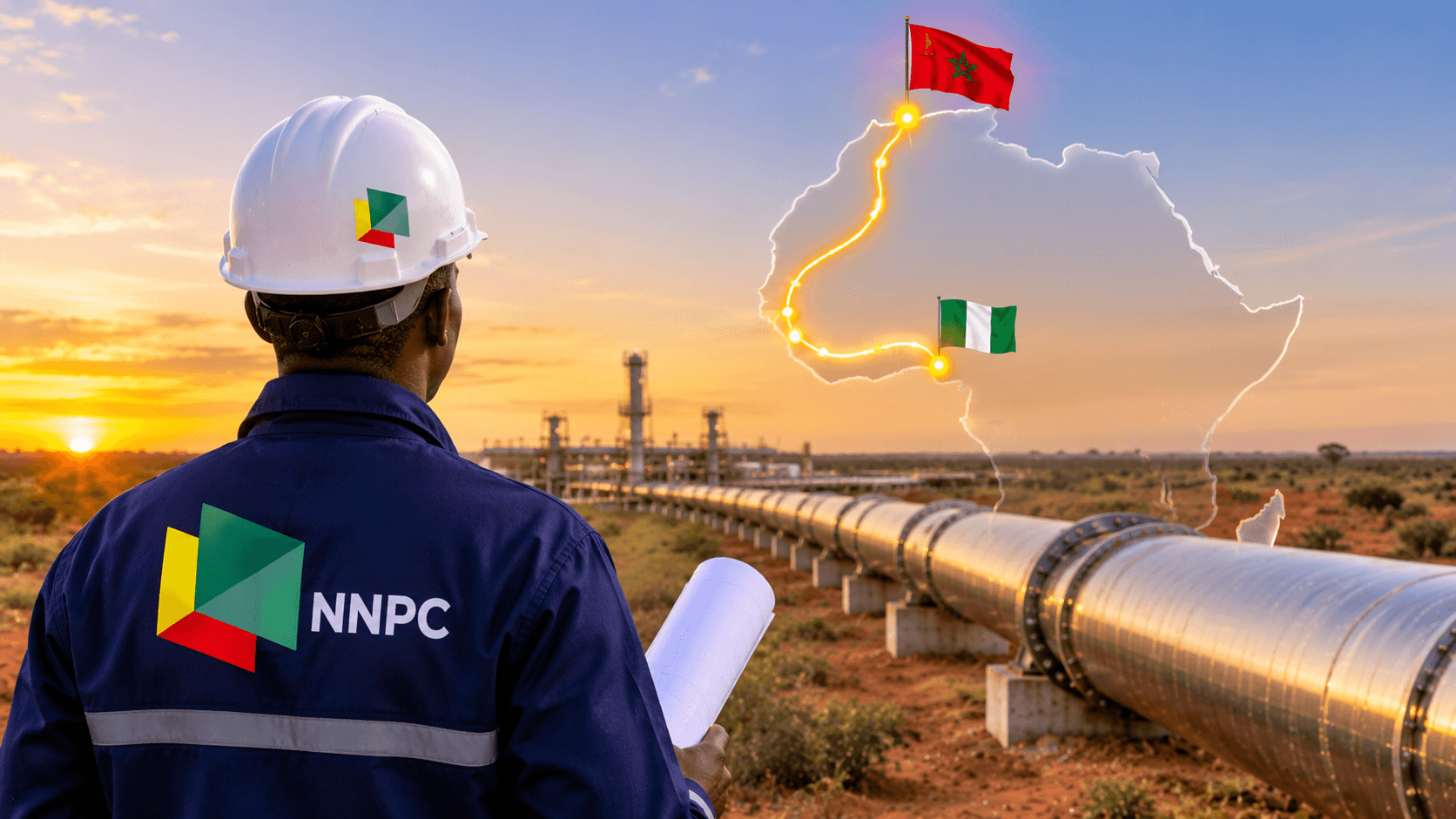
Nigeria Seeks Investors for $26 Billion Morocco Gas Pipeline Project

Nigeria's NNPC is seeking international investors for the $25–26 billion African Atlantic Gas Pipeline, a proposed 6,800-kilometre network designed to transport natural gas from Nigeria through West Africa to Morocco and European markets.

Source
EACOP Seeks Pipeline Integrity Software for Uganda Section
EACOP

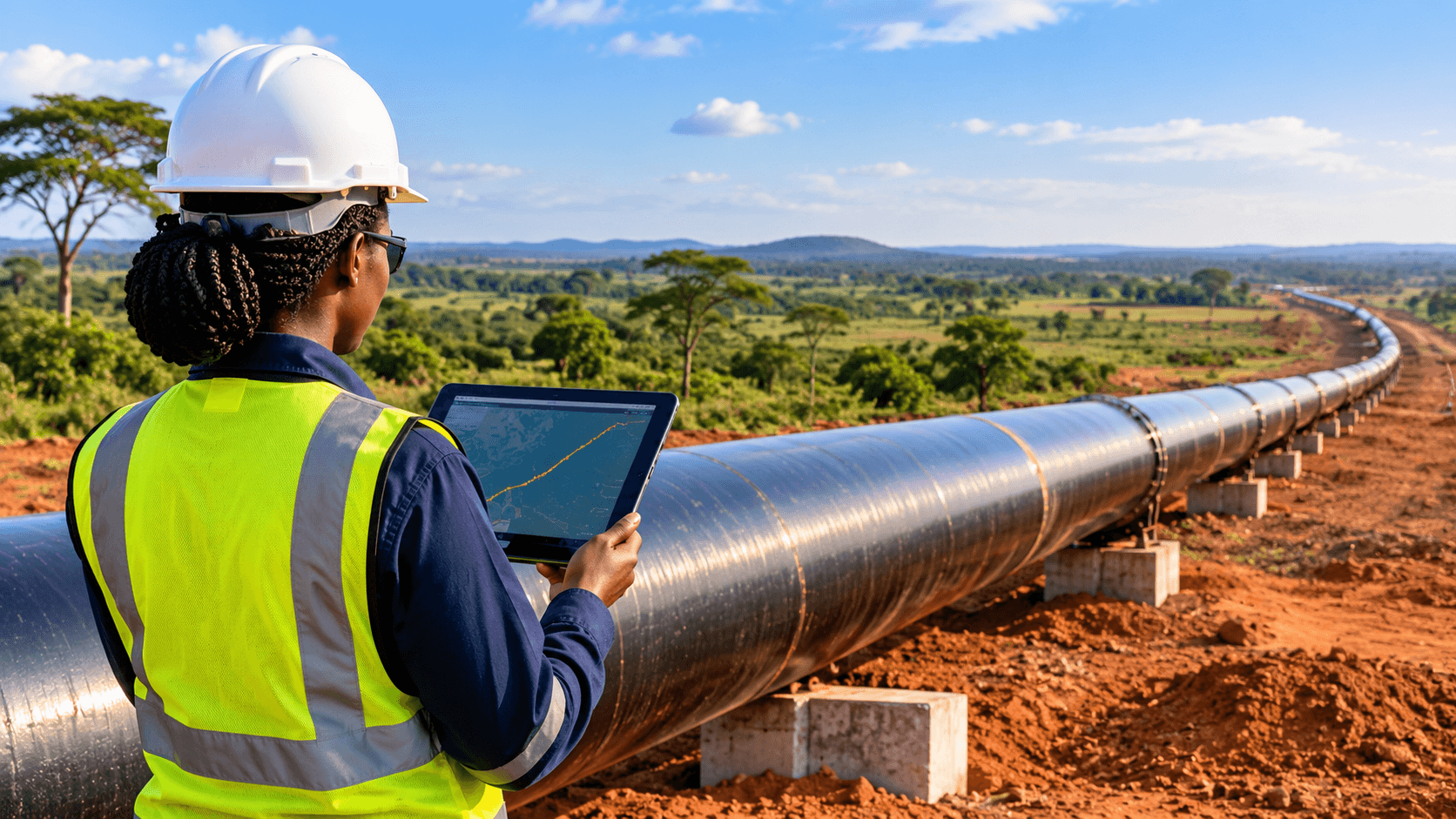
EACOP Seeks Pipeline Integrity Software for Uganda Section

EACOP is inviting technology providers to implement specialised pipeline integrity management software for its Ugandan section. The system will integrate risk-based inspection, geographical mapping and maintenance management to strengthen pipeline monitoring and operational reliability.

Source

Editor's Analysis

“Building the infrastructure is only part of the story; ensuring its reliability, connectivity and long-term value is what makes it truly strategic.”

This week's developments reveal three important dimensions of the pipeline industry's future. EACOP demonstrates how digital technologies are becoming central to infrastructure management, while Nigeria's proposed gas pipeline highlights the scale of investment and regional cooperation required to connect African energy markets. Meanwhile, Saudi Arabia's expansion plans show how existing pipeline networks can become strategic assets during periods of geopolitical uncertainty. Although these projects differ in scale and purpose, they point to a common industry priority: building pipeline systems that are not only capable of transporting energy but are also reliable, strategically connected and prepared for changing operational demands. Thank you for staying connected with APRN. Until next week, stay informed and keep exploring the developments shaping the pipeline industry!

Lucy Okeke
Founder & Executive Director, APRN

Never Miss an Issue

Subscribe Free — Every Monday

Join 2,400+ engineers, policymakers, and financiers following Africa's infrastructure story.

Published every Monday. No spam. Unsubscribe at any time.